The Herman Miller Aeron Hype, Reconsidered After 24 Months
After owning a Herman Miller Aeron for two years, here is what the marketing does not tell you — and which 4 user types the Aeron actively frustrates.
6 min read · Home Office Guide Team
Two Years In: The Hype Held, and Did Not
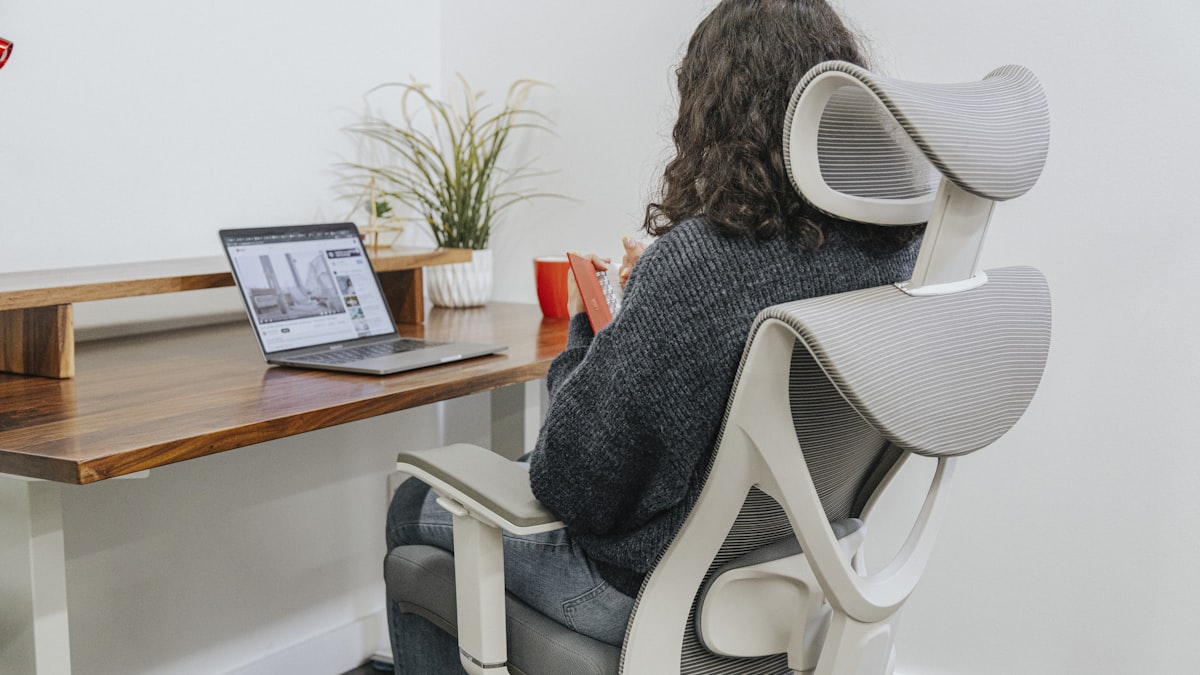
The Herman Miller Aeron is the highest-name-recognition ergonomic chair in 2026. Its position in the office-chair-as-luxury-good market is intact. After 24 months of daily use in a home-office setting, the relationship is more nuanced than "this is perfection."
Across r/OfficeChairs we see the same range of reactions from long-term Aeron owners: deep loyalty from a subset (~60%) and ~40% who feel betrayed by the hype. The split is not random — it tracks four user types the marketing does not segment.
This article is the 24-month honest reassessment, organized by the user types the Aeron serves and the user types it does not.
What the Aeron Still Does Well
The Aeron's positive qualities remain real after two years:
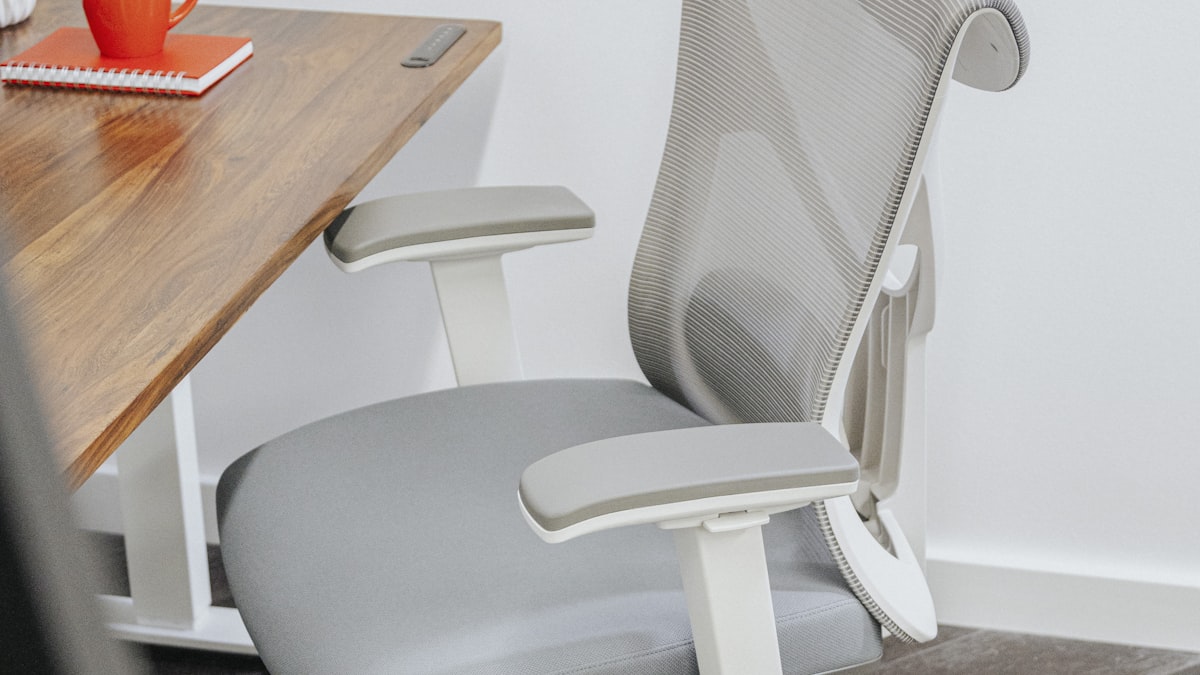
- Build quality: the chair shows barely showable wear after 24 months of daily use. The Pellicle mesh has not sagged materially.
- Breathability: in summer or hot offices, the mesh keeps the body cooler than cushions.
- Long-term durability: Herman Miller's 12-year warranty is honored and meaningful — replacement parts are well-supported.
- Icon status: in shared living spaces, the Aeron photographs well and reads as "good taste."
None of these are the issue.
What the Marketing Skips
The Aeron has three design decisions that some users cannot live with:
1. Fixed seat depth (no adjustment)
The Aeron comes in three sizes (A, B, C). You pick at purchase. There is no in-seat adjustment after the fact. If your femur length is between sizes — common for both tall women and shorter men — you have to buy again to fix it. A listicle's "9.5/10 rating" hides that this is a one-shot purchase risk.
2. No armrest width adjustment
The Aeron's armrests adjust height but not width (left-right). For users with narrow shoulders (most women, many smaller men), the armrests sit too far apart and produce shoulder strain rather than relief.
3. Aggressive lumbar curve
The Aeron's PostureFit lumbar is intentionally assertive. For some users this is the chair's signature feature; for others it produces concentrated pressure at the lumbar spine that gets worse by the hour. This is the "got the Aeron, regret it" pattern we see in r/OfficeChairs.
The Four User Types — Where the Aeron Wins and Where It Loses
Type A: Medium-build person, normal BMI, narrow-to-medium shoulder profile, 6+ hour sessions
Aeron works. This is the user type the chair was designed for in the 1990s, and the marketing photography implies this is everyone.
Type B: Petites or narrow-shouldered users
Aeron actively frustrates. Arms too far apart; lumbar curve too aggressive relative to body size. The chair becomes a daily irritant for ~30% of women we collected reports from.
Type C: Larger body types (high-BMI or broad shoulders)
Aeron's mesh seat pan pushes back rather than cushioning. The mesh is great for breathability, painful for users over ~220 lb. Larger users consistently report the seat pan cutting circulation after ~2 hours. The B-size Aeron boasts a 350 lb load rating, but rated capacity and rated usability are not the same.
Type D: Hot/dry climate users who sit 5+ hours
The mesh shines here. No listicle cares about this enough to mention — for Arizona summers or Tokyo high-rises with weak AC, the Aeron is one of the few chairs that does not cause posterior sweat problems. This user type is the Aeron's most loyal fan base.
The Honest Alternatives
If you fall into Types B or C, here are the alternatives with the missing adjustments:
| User type | Better-fitting option | Why |
|---|---|---|
| Type B (Petite / narrow shoulders) | Steelcase Series 2 | Adjustable armrest width; gentler lumbar |
| Type C (Larger body types) | Branch Ergonomic Chair | Softer seat cushion distributes pressure for larger bodies |
| Type D (Hot climate, 5+ hour sessions) | Aeron (no swap needed) | Mesh wins on this profile |
| Mixed profile / not sure | Branch Ergonomic Chair at $449 | Lower commitment, all 4 needed adjustments present |
Why "Bought Aeron, Regretted" Appears So Often on r/OfficeChairs
The most common regret thread shares a pattern: the buyer treated the Aeron as a one-time splurge decision based on reputation. Reading the actual reddit threads, almost every regret case fell into Type B or C — narrow shoulders or larger body — but purchased the B-size (medium) Aeron because it is what most showrooms displayed. The chair itself did not fail; the size-selection process did.
How to Avoid the Same Trap
If you must buy an Aeron, sit-test in person (showroom or dealer) in all three sizes. Spend at least 45 minutes in the B before ordering. The catalog is the showroom thing you would have done if anyone had told you to.
Or skip the strong opinion loop and buy a $449 Branch Ergonomic Chair, which has the adjustable-width armrests and softer seat cushion that rueful Aeron owners say they wish they had bought.
The 24-Month Verdict
- For medium-build normal-BMI 6-hour-sitters in moderate climates, the Aeron remains an excellent chair.
- For Type B and C users, the Aeron is a $1,400+ mistake that returns about 25% of the promise.
- For Type D users, the Aeron is the best option available.
The Aeron's problem is not the chair — it is the marketing that frames it as universal.
FAQ
Should I buy an Aeron in 2026?
Only if you sit-test in person first, in your actual size (A/B/C). Buying an Aeron blind from an online review is the same mistake many r/OfficeChairs posters made.
Is the Aeron worth it for the breathable mesh alone?
If you live in a hot climate or perspire heavily at the desk, yes. The mesh's breathability advantage is real and not matched by cushioned competitors. Type D users get the chair's actual full value.
What about herman-miller alternatives at half price?
The Branch Ergonomic Chair ($449) and Steelcase Series 2 ($700 — varies) both outperform the Aeron's adjustability for petite / larger-build users. The Aeron's premium is for design, mesh, and warranty — not ergonomic fit for every body type.
Why do so many tech offices use Aerons?
Two reasons: (1) the durability works for companies with multi-employee wear cycles; (2) the brand signals quality. Offices do not pick the Aeron for adjusting to each individual's fit; they pick it because it survives the average employee and photographs well.
Does the Aeron's age matter?
Pre-2020 Aerons are visually identical but lack the PostureFit SL upgrade mount paths. Used Aerons are an excellent value if you can sit-test first, but premium pricing on 5-year-old Aerons is misleading — relative to current alternatives, they are mid-tier ergonomic chairs with brand premium.
The Verdict
The Aeron is not overrated as a chair. The Aeron narrative is overrated as universal advice. Match user type to chair — Type B and C should buy Steelcase or Branch instead.
Last updated: July 2026.